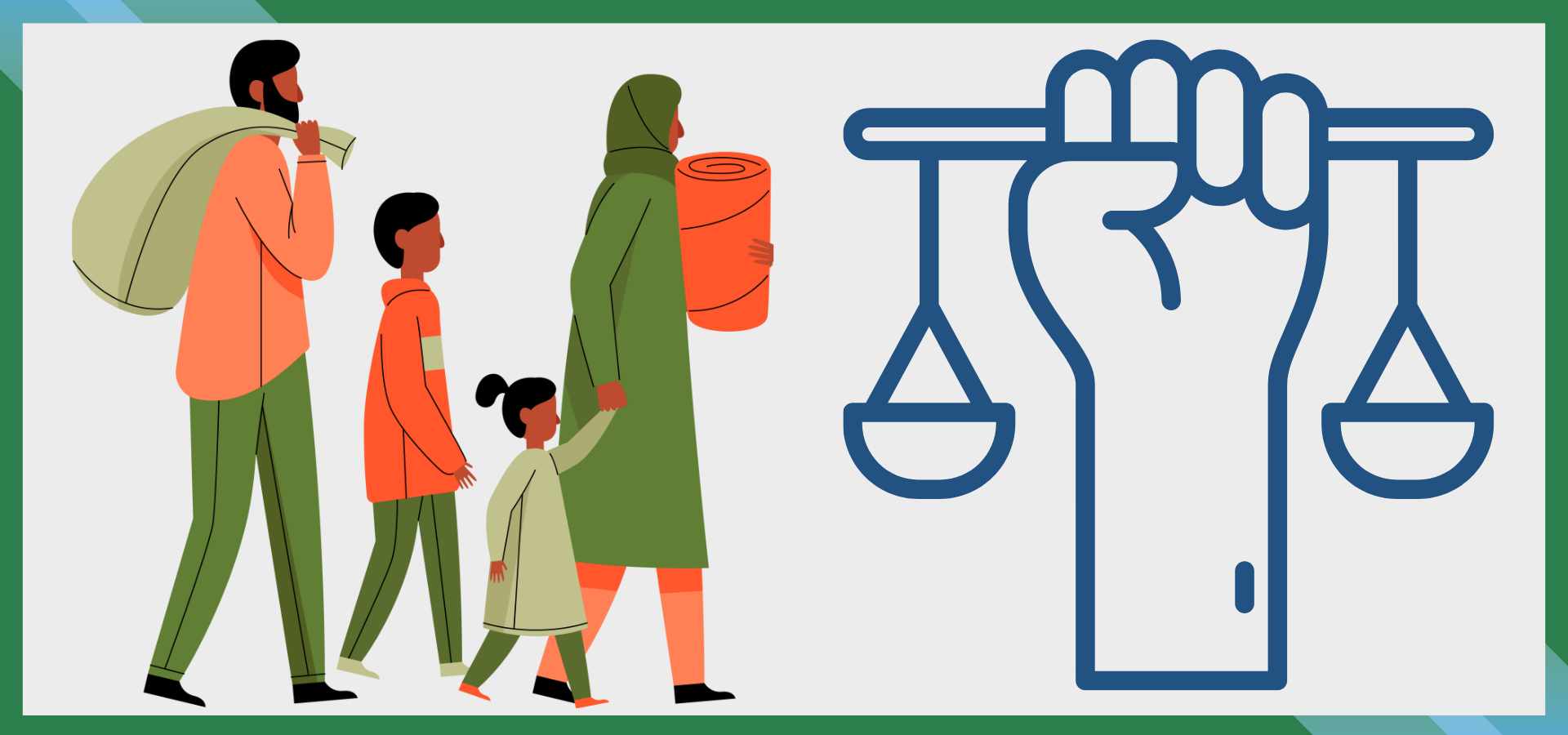
Advocacy represents the third strategic
pillar of CDH/VICAR’s protection work and remains central to
our mission of promoting and defending the rights of refugees across the
region. As an organization operating directly within refugee camps, we witness
firsthand the daily violations, restrictions, and challenges faced by refugee
communities. These realities form the foundation of our advocacy work, which is
designed to influence decision-makers, shape public policy, and ensure that the
rights of refugees are upheld in accordance with international standards.
Through our
presence in the field, CDH/VICAR gathers detailed and reliable information on
protection risks and structural gaps in humanitarian response. This evidence
enables us to engage proactively with local authorities, UN agencies,
humanitarian actors, and diplomatic partners. Our objective is to ensure that
refugee rights are effectively integrated into policies, operational
frameworks, and institutional practices. By doing so, we contribute to
strengthening accountability and promoting long-lasting, rights-based
solutions.
A core
component of our advocacy strategy is the commitment to amplifying
refugee voices. Too often, the needs and concerns of
refugees are absent from policy discussions that directly impact their safety,
dignity, and future. CDH/VICAR works to ensure that their perspectives reach
national and international platforms—whether through detailed reports, targeted
briefings, or direct engagement with stakeholders. This approach empowers
refugees and reinforces their role as primary actors in decisions affecting
their lives.
Ultimately,
CDH/VICAR’s advocacy aims to bridge the gap between field realities and
high-level decision-making. By transforming observations from the camps into
strategic messages and policy recommendations, we work to prevent abuses,
encourage positive reforms, and ensure that humanitarian interventions respect
the principles of protection and non-discrimination. Advocacy remains a vital
tool for shaping systemic change and securing a more just environment for all
refugees.